Lake Blue Ridge Isn’t One Market — How Lake Blue Ridge Real Estate Really Breaks Down


Most buyers searching Lake Blue Ridge real estate assume they’re looking at a single, uniform market. Same lake, same prices, same experience. That assumption is one of the fastest ways to overpay, miss better options, or end up with a property that doesn’t actually match the lifestyle you had in mind.
Lake Blue Ridge is not one market. It’s a collection of micro-markets shaped by shoreline orientation, access, zoning, proximity to towns like Morganton and Blue Ridge, and—most importantly—how people actually use the lake. This is the part most listing descriptions gloss over, and it’s where local knowledge matters.
The Morganton Side: Privacy, Space, and True Lake Living
The Morganton shoreline attracts buyers who want elbow room, quieter coves, and a more residential feel. Homes here tend to sit on larger tracts, with deeper water access and less boat traffic. This side of Lake Blue Ridge real estate appeals to buyers who prioritize privacy over walkability and are planning to spend real time on the lake rather than treating the home as a short-term getaway.
From a value perspective, Morganton often delivers more land and calmer settings for the money, especially compared to properties closer to downtown Blue Ridge.
Near Blue Ridge: Convenience, Rentals, and Visibility
As you move closer to Blue Ridge, the lake experience changes. You’ll find easier access to restaurants, shops, and marinas, along with higher demand from buyers looking for second homes or vacation rentals. Properties here often trade at a premium because of proximity alone.
This area of Lake Blue Ridge real estate works well for buyers who want a blend of lake life and town life, but it’s also where expectations need to be managed carefully. Noise levels, boat traffic, and rental density can vary dramatically from cove to cove.
Main Channel vs Quiet Coves: A Lifestyle Decision, Not a Price One
Two homes can be priced similarly and feel completely different depending on whether they sit on the main channel or tucked into a protected cove. Main-channel properties offer big views and quick access for boating, while cove properties offer calmer water, better swimming conditions, and more privacy.
In Lake Blue Ridge real estate, this choice is about how you’ll actually use the property. Buyers who fish, paddleboard, or swim daily often regret choosing visibility over usability.
Dock Permits, Water Depth, and Shoreline Rules
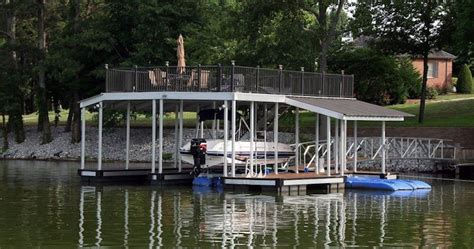
Dock permits, water depth at full pool, and shoreline restrictions can dramatically affect long-term value. Not every lakefront home can add or modify a dock, and not every dock provides usable water year-round.
This is where out-of-area buyers get burned. Listings rarely explain how seasonal water levels or TVA regulations impact daily use. Understanding these details is essential when evaluating Lake Blue Ridge real estate as a long-term investment. You can learn more straight from the horses mouth here.
Why Micro-Markets Matter More Than List Price
Two lakefront homes with similar square footage can perform very differently over time based on location, access, and shoreline characteristics. Buyers who focus only on list price often miss better opportunities one cove over.
This is why working with someone who understands the lake beyond the MLS matters. I don’t just sell Lake Blue Ridge—I live here, walk these properties, and know how each stretch of shoreline actually functions day to day.


Comments