Flood Zones and Waterfront Property Risk in North Georgia


One of the most common concerns buyers have when considering waterfront property in the North Georgia mountains is flood risk. Many assume that any home near water must automatically sit in a high-risk flood zone, but the reality is far more nuanced.
Understanding how flood zones work — and how they differ between lakefront, riverfront, and creekfront properties — is essential for anyone considering waterfront real estate in areas like Blue Ridge, Ellijay, or along Lake Blue Ridge.
In many cases, flood zone designation affects not only insurance costs but also property value, financing options, and long-term investment potential.
What Flood Zones Actually Mean
Flood zones are determined by FEMA based on historical data, topography, and water flow patterns. These designations are shown on official Flood Insurance Rate Maps, commonly called FIRMs.
The most important distinction for buyers is between:
Low-risk zones (minimal flood risk)
Moderate-risk zones
High-risk floodplain zones
Not all waterfront homes fall into high-risk categories. In fact, many lakefront properties around Lake Blue Ridge sit safely outside FEMA flood zones due to elevation and shoreline design.
👉🏻For a broader overview of waterfront property types, see: The Complete Guide to Waterfront Property in North Georgia
Why Lakefront Properties Often Have Lower Risk
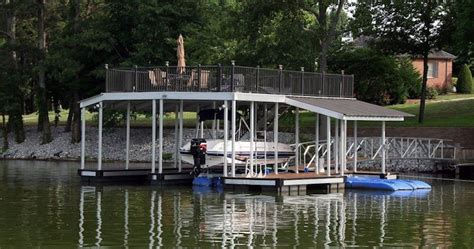
Unlike rivers or creeks, TVA-managed lakes are carefully controlled water systems. Water levels are regulated to prevent extreme fluctuations, which significantly reduces flooding risk.
Because of this:
Most lakefront homes sit above regulated shoreline contours
Flooding is rare on elevated lake lots
Insurance requirements are often lower
This is one of the reasons lakefront homes typically command higher values than riverfront properties.
Riverfront and Creekfront Risk Differences
Riverfront and creekfront properties behave very differently from lakefront homes. These waterways respond directly to rainfall, runoff, and upstream conditions.
Common flood risk factors include:
Proximity to water level
Elevation changes
Slope of surrounding landHistorical flood patterns
Properties along the Toccoa River or smaller mountain creeks may fall within designated flood zones, even when they appear elevated.
How Flood Zones Affect Insurance Costs
If a property lies within a high-risk FEMA flood zone, lenders will typically require flood insurance as a condition of financing.
Costs vary widely depending on:
Flood zone classification
Elevation certificates
Distance from waterConstruction type
In many cases, insurance costs can range from modest to significant, making it essential for buyers to understand flood status before purchasing.
👉🏻For official flood mapping information, visit: FEMA Flood Map Service Center
Do Flood Zones Affect Property Value?
Flood designation can influence both market demand and resale value. Properties outside flood zones typically:
Sell faster
Require less insurance documentation
Attract a broader pool of buyers
However, riverfront properties in flood zones still remain highly desirable due to lifestyle appeal, especially among vacation home buyers.
How Buyers Can Evaluate Flood Risk
Before purchasing waterfront property, buyers should always:
Review FEMA flood maps
Request an elevation certificate if available
Understand historical flooding patterns
Consult local experts familiar with the area
Local knowledge is especially important because flood behavior can vary dramatically from one valley or watershed to another.
Why Flood Risk Isn’t Always a Dealbreaker
While flood zones require careful evaluation, they do not necessarily make a property undesirable. Many buyers successfully own and enjoy riverfront homes with manageable insurance costs and minimal risk.
Understanding the difference between perceived risk and actual risk is key to making informed decisions.
The Bottom Line for Waterfront Buyers
Flood zones are one of the most important factors to understand when evaluating waterfront property in North Georgia. Lakefront, riverfront, and creekfront homes each carry different levels of risk, insurance requirements, and long-term considerations.
Buyers who take the time to research flood zones early in the process can avoid surprises and confidently choose the property that best fits their lifestyle and investment goals.
👉🏻 Find more information on the topics discussed here and many more in my "knowledge" menu


Comments