What to Look for When Buying Waterfront Property in North Georgia

Updated: Feb 21

Buying waterfront property in North Georgia is very different from buying a typical mountain home.
The views may be stunning, the water may look peaceful, and the lifestyle may feel like a dream — but beneath the surface, waterfront real estate comes with unique factors that can significantly impact your long-term enjoyment, costs, and property value.
If you’ve been following this series, you already know that waterfront property here includes lakes, rivers, creeks, and private water features, each with different ownership structures and regulations.
Before we dive deeper, you may want to explore current available waterfront homes to see how these factors show up in real listings.
Understanding what to look for when buying waterfront property in North Georgia can help you avoid costly surprises and ensure you choose the right type of water lifestyle for your goals.
Shoreline Ownership and Property Boundaries
One of the most important things to understand is that waterfront ownership does not always mean you own all the way to the water. On TVA-controlled lakes like Lake Blue Ridge, most properties stop at a contour line rather than extending to the shoreline.
This means:
You may need permits for docks
You may not control shoreline vegetation
You cannot freely modify the waterfront
This is very different from private lakes or riverfront properties where ownership may extend fully to the water’s edge.
Understanding exactly what you own — and what you don’t — is critical before purchasing.
Water Depth and Accessibility
Not all waterfront offers the same usability. Some properties have deep, easily accessible water, while others may have:
Shallow shorelines
Steep drop-offs
Rocky entry points
Seasonal fluctuations
For lakefront buyers, water depth near the dock location is especially important if boating is a priority. For riverfront buyers, understanding current strength and bank stability matters just as much.
Flood Zones and Insurance Considerations
Flood zones are a major factor when buying waterfront property in North Georgia.
Many riverfront and some lakefront properties fall within FEMA flood zones, which can require flood insurance depending on financing.
This affects:
Monthly ownership costs
Building restrictions
Future resale value
Before purchasing, buyers should always review flood maps and understand how the designation impacts both insurance and long-term use of the property.
👉🏻Learn more in my "knowledge" menu
Septic Placement and Soil Conditions
Waterfront properties often have tighter restrictions on septic systems due to proximity to water.
Soil composition, slope, and environmental regulations may limit:
Home size
Expansion options
Building placement
This is especially important for vacant waterfront lots. Buyers should always verify septic suitability before purchasing land.
Shoreline Stability and Erosion Risk
Waterfront property naturally faces exposure to erosion.
Things to evaluate include:
Bank stability
Evidence of past erosion
Need for retaining walls
Drainage patterns
On lakes, wave action and seasonal water levels can gradually impact shoreline conditions over time.
Addressing erosion issues can involve permits and ongoing maintenance costs.
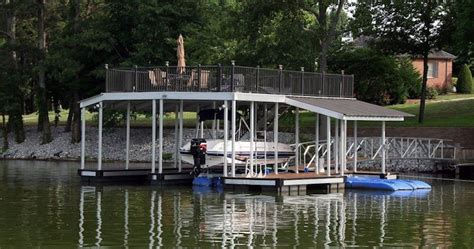
Dock Permits and Usage Rights
Many buyers assume they can automatically build a dock on lakefront property — but this is not always the case.
Dock eligibility depends on:
Water depth
Shoreline classification
Spacing requirements between docks
Some properties are not dock-permittable at all, which can significantly affect both lifestyle and resale value.
Year-Round vs Seasonal Water Flow
For riverfront and creekfront properties, it’s important to confirm whether the water flows consistently year-round. Some streams are seasonal and may slow significantly during dry periods.
This can impact:
Property enjoyment
Rental appeal
Long-term value
Seeing a property during different seasons can provide valuable insight.
Accessibility and Terrain
Waterfront homes in the mountains often involve steep terrain and limited access.
Buyers should evaluate:
Driveway steepness
Winter accessibility
Distance from main roads
Emergency access
These practical considerations can influence both daily living and resale marketability.
Lifestyle Fit Matters Most
Ultimately, choosing waterfront property is about aligning the type of water with how you plan to use the home.
Lakefront buyers often prioritize recreation and social gatherings.
Riverfront buyers value tranquility and fishing.
Creekfront buyers seek relaxation and affordability.
Understanding your lifestyle goals helps determine which waterfront type truly fits.
Looking Ahead in This Series
In upcoming articles, we’ll explore:
Flood insurance considerations in detail
Together, these guides form a complete roadmap for buying waterfront property in North Georgia.
Final Thoughts
Waterfront property offers some of the most rewarding lifestyles in North Georgia, but it also requires careful evaluation.
From ownership boundaries and water depth to flood zones and septic restrictions, understanding these factors before buying ensures you choose a property that delivers both enjoyment and long-term value.
Whether you’re considering Lake Blue Ridge, the Toccoa River near Ellijay, or a peaceful creek in Cherry Log or Morganton, knowledge is the key to making a confident purchase.
👉🏻 If you’re thinking about buying waterfront property in North Georgia and want guidance specific to your goals, feel free to reach out anytime.


Comments