Hidden Costs of Owning Waterfront Property in North Georgia

Updated: Feb 21

Owning waterfront property in North Georgia is a dream for many buyers — stunning views, peaceful surroundings, and the lifestyle that comes with being near the water.
But one of the most important things I always tell clients is this, waterfront living isn’t just about the purchase price. There are additional responsibilities and long-term costs that don’t always show up in listing descriptions — and understanding them upfront can help you avoid surprises later.
If you’re new to this series, you may want to start with the Complete Guide to Waterfront Property in North Georgia and the article on Types of Waterfront Property Explained to understand the fundamentals before diving into this topic.
Because while waterfront ownership can be incredibly rewarding, it does come with unique considerations.
Shoreline Maintenance and Stabilization
One of the biggest hidden costs of waterfront property in North Georgia involves maintaining the shoreline itself. Unlike typical properties, waterfront homes are constantly exposed to:
Wave action
Heavy rain runoff
Seasonal water level changes
Soil erosion
Over time, this can lead to shoreline instability.
Many properties require:
Riprap installation
Retaining walls
Vegetation management
Drainage improvements
These projects often require permits and can involve significant expense depending on the extent of erosion.
Dock Maintenance and Repairs
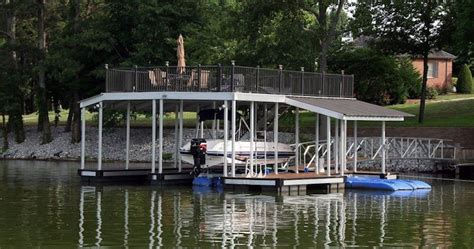
For lakefront homeowners, docks are one of the most valuable — and most costly — features. While having a dock adds lifestyle enjoyment and resale value, they require ongoing care.
Common dock-related expenses include:
Routine maintenance
Float replacements
Structural repairsPermit renewals
Storm damage repairs
TVA-regulated docks on Lake Blue Ridge must also comply with strict maintenance standards. Neglecting these responsibilities can lead to costly repairs or even permit issues.
👉🏻 Learn more about TVA Regulations here
Flood Insurance Requirements
Flood insurance is another cost that can surprise buyers. Many riverfront and some lakefront properties fall within FEMA flood zones.
If you finance a property in a designated flood zone, lenders typically require flood insurance. Costs vary depending on elevation and risk level but can significantly affect monthly ownership expenses.
Even for cash buyers, flood insurance may still be a wise investment.
Septic System Limitations
Waterfront properties often have stricter septic requirements due to environmental protections.
Soil conditions, slope, and proximity to water can limit:
System size
Placement location
Future expansion potential
If a septic system fails or requires relocation, replacement costs can be substantial.
This is why verifying septic suitability is critical when buying waterfront land.
Tree and Vegetation Restrictions
On TVA lakes like Lake Blue Ridge, homeowners do not have unrestricted control over shoreline vegetation.
Permits may be required for:
Tree removal
Shoreline clearing
Landscape changes
These regulations protect water quality and prevent erosion but can limit how much you can modify the waterfront appearance.
Access and Infrastructure Challenges
Many waterfront homes are located in more remote or terrain-challenged areas.
This can lead to additional costs such as:
Steep driveway maintenance
Road repairs
Snow and ice accessibility concerns
Utility installation expenses
These practical considerations are often overlooked during initial property searches.
Water Level Fluctuations
Lake Blue Ridge experiences seasonal drawdowns, where water levels drop during certain times of the year.
This can affect:
Dock accessibility
Shoreline appearance
Usability during winter months
Understanding how water level changes impact a specific property is important before purchasing.
Insurance and Long-Term Maintenance
Waterfront homes often have higher insurance costs due to increased exposure to environmental risks.
These may include:
Storm damage potential
Moisture-related wear
Foundation exposure risks
Regular maintenance is essential to protect both the property and its long-term value.
Why These Costs Shouldn’t Deter Buyers
While these hidden costs are real, they shouldn’t discourage buyers from pursuing waterfront property. Instead, they should be viewed as part of the overall ownership picture.
The benefits, lifestyle, scarcity, appreciation potential, and rental demand, often outweigh these additional responsibilities.
Being informed simply allows buyers to budget appropriately and make confident decisions.
Looking Ahead in This Series
In upcoming articles, we’ll explore:
Flood zones and insurance in detail
Investment potential of waterfront homes
How waterfront property appreciates over time
Together, these guides form a comprehensive roadmap for waterfront ownership in North Georgia.
Final Thoughts
Waterfront property in North Georgia offers an unmatched lifestyle, but it also requires a deeper understanding of long-term responsibilities.
From shoreline maintenance and dock upkeep to insurance considerations and septic limitations, these hidden costs are part of what makes waterfront ownership unique.
Whether you’re looking along Lake Blue Ridge, the Toccoa River near Ellijay, or a peaceful creek in Cherry Log or Morganton, knowing these factors upfront helps ensure a smooth and rewarding ownership experience.
👉🏻 Find more information on the topics discussed here and many more in my "knowledge" menu


Comments