Shoreline Ownership on North Georgia Lakes Explained: Fee Simple vs Permit-Controlled Waterfront


One of the most misunderstood aspects of buying waterfront property in North Georgia involves shoreline ownership. Many buyers assume that owning a lakefront home automatically includes ownership all the way down to the water’s edge.
In reality, shoreline ownership varies significantly depending on which authority manages the lake. Understanding the difference between fee simple shoreline ownership and permit-controlled waterfront land is essential when evaluating properties around Lake Blue Ridge, Lake Nottely, Lake Chatuge, Lake Burton, or Lake Rabun.
If you’re new to this topic, you may want to begin with TVA vs Georgia Power Lakes: What Waterfront Buyers Need to Know in North Georgia, which explains how lake management authorities influence ownership rules.
What Is Fee Simple Shoreline Ownership?
Fee simple ownership is the most traditional form of property ownership. In this scenario, the property owner holds full legal rights to the land, including the shoreline extending to the water.
On certain North Georgia lakes managed by Georgia Power, such as Lake Burton and Lake Rabun, shoreline ownership may extend to the water’s edge in fee simple.
This means property owners may have:
Direct control over shoreline land
Greater flexibility in landscaping and improvements
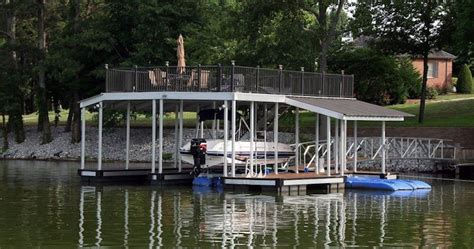
Potential ownership of docks and shoreline structures
However, environmental regulations and permitting requirements still apply.
What Is Permit-Controlled Shoreline?
Permit-controlled shoreline ownership operates differently. On TVA-managed lakes such as Lake Blue Ridge, Lake Nottely, and Lake Chatuge, property ownership typically stops at a designated contour line. The land between that line and the water is managed by the Tennessee Valley Authority.
This means:
Homeowners do not own the shoreline land
Permanent improvements require TVA approval
Shoreline vegetation and structures are regulated
This system helps maintain environmental protection and shoreline consistency.
Understanding Contour Lines on TVA Lakes
The contour line is the key boundary separating private property from TVA-controlled land. For example, on Lake Blue Ridge, the commonly referenced 1680 contour line marks the elevation where private ownership ends.
Everything below this elevation is managed by the TVA, which helps preserve:
Water quality
Shoreline stability
Environmental balance
Understanding this boundary is critical before purchasing waterfront property.
How Shoreline Ownership Affects Property Use
Shoreline ownership directly influences how property owners can use the waterfront area.
Fee simple shoreline ownership often allows:
More landscaping flexibility
Direct shoreline modifications
Potentially greater dock customization
Permit-controlled shoreline systems typically require approval for:
Vegetation removal
Shoreline stabilization
Dock installation or modification
These differences can significantly affect both usability and long-term maintenance.
Impact on Property Value
Shoreline ownership structure can influence waterfront property value. Fee simple shoreline ownership may appeal to buyers seeking maximum control and customization.
Permit-controlled systems, however, often help preserve long-term value by preventing overdevelopment and maintaining natural shoreline conditions.
Both systems can support strong property values depending on buyer priorities.
Common Buyer Misconceptions
Many buyers mistakenly believe that waterfront ownership always includes shoreline land.
Common misunderstandings include:
Assuming ownership extends to the water
Believing shoreline improvements can be made freely
Confusing dock ownership with shoreline ownership
Clarifying these distinctions early in the buying process helps avoid costly surprises.
Why Understanding Ownership Structure Matters
Knowing whether shoreline ownership is fee simple or permit-controlled helps buyers evaluate:
Maintenance responsibilities
Regulatory limitations
Improvement potential
Long-term property value
Working with knowledgeable local professionals familiar with these systems ensures buyers make informed decisions.
Final Thoughts
Shoreline ownership is one of the most important factors affecting waterfront property in North Georgia.
👉🏻 If you’re thinking about buying waterfront property in North Georgia and want guidance specific to your goals, feel free to reach out anytime.


Comments