TVA vs Georgia Power Lakes: What Waterfront Buyers Need to Know in North Georgia


One of the biggest surprises for buyers considering waterfront property in the North Georgia mountains is learning that not all lakes operate under the same ownership rules. Many assume that lakefront property always includes ownership down to the water’s edge, but in reality, shoreline ownership, dock rights, and property boundaries can vary dramatically depending on who manages the lake.
Understanding the difference between TVA vs Georgia Power lakes is one of the most important — and most overlooked — aspects of waterfront real estate in North Georgia.
If you’re new to this topic, you may want to begin with The Complete Guide to Waterfront Property in North Georgia, which explains how waterfront ownership works across the region.
The Two Major Lake Authorities in North Georgia
Most major lakes in North Georgia fall under one of two management systems:
Tennessee Valley Authority (TVA) and Georgia Power Company
These organizations control shoreline regulations, water levels, dock permits, and property boundaries — all of which directly impact waterfront ownership.
Understanding which authority manages a lake can significantly influence both lifestyle expectations and long-term property value.
TVA-Managed Lakes: How They Work
TVA-managed lakes in North Georgia include:
Lake Nottely
On TVA lakes, homeowners typically do not own the land between their property and the water. Instead, property ownership usually ends at a defined contour line, while the shoreline below that line is managed by the TVA.
This means:
Permanent structures require approval
Docks operate under permit systems
Vegetation and landscaping are regulated
These rules often surprise buyers relocating from private lake communities.
Understanding the Contour Line System
On TVA lakes, the most important boundary is the contour line — a specific elevation marking where private ownership ends. For example, on Lake Blue Ridge, this is commonly referred to as the 1680 contour line.
Everything below this elevation is managed by the TVA, which helps preserve:
Environmental protection
Shoreline stability
Water quality
Public access standards
While this system limits certain improvements, it also helps protect long-term property value.
Georgia Power Lakes: Key Differences
Georgia Power manages several prominent North Georgia lakes, including:
Lake Burton
Lake Rabun
These lakes operate under a very different ownership model. In many cases, property owners on Georgia Power lakes may own the shoreline fee simple, meaning ownership can extend all the way to the water’s edge.
Key differences often include:
More private shoreline control
Different dock permitting systems
Less federal regulation
Potentially more customization flexibility
However, Georgia Power still maintains environmental oversight and permitting requirements.
Dock Rights: TVA vs Georgia Power
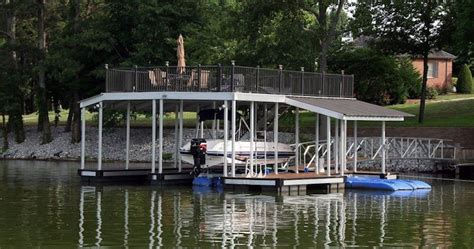
Dock ownership is one of the biggest practical differences between these lake systems.
On TVA lakes:
Docks operate under permits
Permits are tied to specific properties
Dock size and design are strictly regulated
On Georgia Power lakes:
Docks may be owned directly by the property owner
Permitting processes differ
Customization flexibility may be greater
Understanding dock rules is essential because they directly affect both usability and property value.
Water Level Management Differences
Both TVA and Georgia Power manage lake levels for hydroelectric power, flood control, and environmental purposes. However, drawdown schedules and water management practices can vary between lakes.
These differences can influence:
Seasonal shoreline appearance
Dock accessibility
Recreational usability
Buyers should always understand how water level management affects a specific lake.
How Lake Authority Affects Property Value
Lake management systems play a significant role in waterfront property value.
TVA regulations often help preserve natural beauty and prevent overdevelopment, which supports long-term value stability.
Georgia Power lakes may offer greater shoreline control, which can appeal to buyers seeking more customization options.
Neither system is inherently better — they simply provide different ownership experiences.
Which System Is Right for Buyers?
Choosing between TVA and Georgia Power lakes ultimately depends on buyer priorities.
Buyers who value:
Environmental preservation
Predictable regulations
Consistent shoreline protection
Often prefer TVA-managed lakes.
Buyers who prioritize:
Private shoreline control
Greater customization flexibility
Direct dock ownership
May be more drawn to Georgia Power lakes.
Why Local Knowledge Matters
Because shoreline regulations vary significantly between lake systems, working with a local expert familiar with these differences is essential.
Understanding the specific rules governing each lake helps buyers avoid surprises and choose the waterfront property that best aligns with their goals.
Final Thoughts
The difference between TVA-managed lakes and Georgia Power lakes is one of the most important factors influencing waterfront property ownership in North Georgia.
From shoreline boundaries and dock permits to water level management and property value considerations, these systems create distinct ownership experiences.
Whether considering Lake Blue Ridge, Lake Nottely, Lake Chatuge, Lake Burton, or Lake Rabun, buyers who understand these differences are best positioned to make confident and informed waterfront real estate decisions.
👉🏻 If you’re thinking about buying waterfront property in North Georgia and want guidance specific to your goals, feel free to reach out anytime.


Comments