Buying a Blue Ridge Second Home Before Winter: What You Need to Know


Buying a second home in Blue Ridge sounds pretty great in the fall.
The leaves are changing, the weather is cooling off, the fireplace suddenly matters, and that mountain cabin starts looking exactly like the escape you had in mind when you decided you wanted a place up here.
But if you’re buying a Blue Ridge second home in October or November, there’s another side of the conversation that matters just as much as the view from the deck.
Winter is coming.
No, Blue Ridge isn’t Minnesota. But freezing temperatures, mountain roads, wells, exterior plumbing, propane systems, power outages and an empty house sitting two states away can create problems if nobody has thought through how the property will be managed when you’re gone.
That doesn’t mean second-home ownership here is difficult. It just means mountain homes have their own rhythm, and fall is a really good time to understand it.
What Should You Know Before Buying a Blue Ridge Second Home?
The biggest difference between a full-time residence and a second home is simple: sometimes nobody is there.
If your primary residence is in Atlanta, Florida or somewhere else out of state, you may leave Blue Ridge for two weeks, a month or even longer. That’s when seemingly small things become more important.
What happens if the temperature drops well below freezing? What happens if the power goes out? What happens if a pipe leaks? What happens if the heat stops working? What happens if a tree falls across the driveway?
When you’re living in the house, those are inconveniences.
When the house is empty, they can go unnoticed.
That’s why I like to think about the home not only as a place to stay, but as a property that needs to take care of itself reasonably well when nobody is there.
Start With the Heating System
Before you leave a mountain home unattended during winter, you need to understand how it heats. Many homes around Blue Ridge, Morganton and Cherry Log use heat pumps. Others supplement them with propane fireplaces, mini-splits, wood-burning fireplaces or other systems.
The important thing isn’t necessarily what type of system the house has. It’s knowing how it works.
How old is the system? Does the house heat evenly? Are there rooms that stay noticeably colder? Is there supplemental heat? Is the thermostat programmable or smart-enabled? Can you monitor the temperature remotely?
A cabin with huge windows, soaring ceilings and an open great room may look fantastic, but it may also behave differently in cold weather than a conventional suburban home.
If I’m buying a second home, I want to know what happens when I’m not standing there watching the thermostat.
Freeze Protection Matters More When Nobody Is Home
Frozen plumbing isn’t something most buyers are thinking about while they’re standing on a deck looking at fall colors. But they should at least understand the risk.
Exterior hose bibs, plumbing in crawlspaces, pipes near exterior walls and plumbing serving detached structures can all deserve attention when temperatures fall.
If the property has a well, I also want to understand how the well equipment is protected. Is there a well house? Is it insulated? Does it have a heat source? Are any pipes exposed?
None of this is particularly exotic. It’s simply part of owning a home in an area where temperatures regularly drop below freezing. A full-time owner will probably notice a problem quickly. A second-home owner may be 500 miles away.
That changes the equation.
A Smart Thermostat Is Cheap Insurance
This is one of those places where technology can make second-home ownership considerably easier. A smart thermostat allows you to check the temperature remotely and, depending on the system, receive alerts if the temperature falls outside a range you’ve set. That means you don’t have to wonder what’s happening at the cabin while you’re back in Florida.
The same idea applies to water sensors. Small leak sensors placed near water heaters, sinks, washing machines or other vulnerable areas can alert you if something goes wrong. There are also systems that can automatically shut off the main water supply if a leak is detected.
You don’t need to turn your Blue Ridge cabin into NASA mission control but a few inexpensive monitoring tools can provide a lot of peace of mind when the house is
sitting empty.
What Happens If the Power Goes Out?
Power outages happen everywhere. They can become a little more relevant in a heavily wooded mountain environment. Trees, storms and rural infrastructure can occasionally mean a home loses power for a period of time. If you’re there, you know immediately.
If you’re not there, you may not.
That’s why I pay attention when a Blue Ridge second home has a whole-house generator. It isn’t mandatory but depending on the property, it can be a valuable feature.
If there is a generator, I want to know what it powers, whether it starts automatically, what fuel source it uses and whether it appears to have been maintained. A generator that hasn’t run properly in five years is considerably less impressive than the listing description makes it sound.
Propane Deserves a Little Attention Too
Propane is common around mountain homes. It may supply fireplaces, cooktops, water heaters, generators or even primary heating systems.
If the property uses propane, I want to understand the setup. How large is the tank What appliances use it? Is the tank owned or leased? Where is it located?
How often is it typically filled?
If you’re depending on propane for heat while the house is empty, you obviously don’t want to discover from another state that the tank is empty.
This isn’t complicated stuff it’s just part of learning how the house operates.
Your Driveway May Look Different in January
Here’s another place where second-home buyers need to think beyond the day they’re touring the property. A steep mountain driveway on a beautiful October afternoon may be completely uneventful.
That same driveway after a winter weather event can be a different experience.
Shade matters. Elevation matters. Exposure matters. Some roads and driveways get plenty of sun and clear quickly. Others sit on the north side of a mountain under heavy tree cover.
I wouldn’t reject a property simply because it has a steep driveway. There are some great homes around Blue Ridge that come with one. But I want to understand it.
Especially if the plan is to arrive at the cabin whenever you feel like it rather than checking the weather forecast first.
Someone Local Can Be Extremely Valuable
I’m a big believer in having a local set of eyes on a second home. That could be a neighbor, property manager, caretaker, housekeeper, handyman or someone else you trust.
You don’t necessarily need someone checking the house every three days but if Blue Ridge gets unusually cold weather, a major storm comes through or your security system sends an alert, it’s helpful to have someone who can physically get to the property.
There’s a big difference between seeing an alert on your phone and having somebody actually open the front door and make sure everything is okay. This becomes even more important if the home is relatively remote.
Your Insurance Company Needs to Know How You Use the Property
A second home isn’t always insured exactly the same way as a primary residence.
How frequently the property is occupied, whether it’s rented, whether it sits vacant for extended periods and other factors may affect insurance requirements or coverage.
This is one of those areas where I wouldn’t make assumptions. Tell the insurance agent exactly how you intend to use the property. If it’s strictly a family second home, say so.
If you plan to occasionally rent it, say so. If you expect it to sit vacant for several months at a time, say so.
You want the policy written for the property you actually own and the way you actually use it.
Lake Blue Ridge Second Homes Add Another Seasonal Consideration
If your second home happens to be on Lake Blue Ridge, there’s another seasonal change to understand. The lake itself changes.
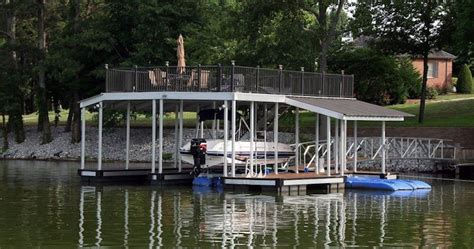
Lake Blue Ridge is a TVA reservoir, and seasonal drawdown means the waterfront you see during summer may look quite different during fall and winter.
That can affect the shoreline, the location of the dock relative to the water and sometimes the appearance of the view from the house. For a second-home owner, the bigger question is how you plan to use the property.
If you expect most of your boating to happen during summer, winter lake levels may not matter much to you. If you’re imagining frequent year-round lake access, you may care considerably more about what happens around the dock as the reservoir drops.
The right answer depends on the property and the way you intend to use it.
Fall Is a Good Time to Look at the Trees Too
Trees are obviously part of what makes Blue Ridge beautiful. They’re also part of the property.
Once the leaves begin dropping, it becomes easier to see how large trees relate to the house, roof, driveway and power lines. Are there large limbs hanging directly over the structure? Are there dead-looking trees close to the house? Is the driveway surrounded by mature trees? Are gutters constantly filling with leaves?
Again, I’m not suggesting every tree near a home is a problem. Far from it.
But if I’m buying a property that may sit unattended for weeks at a time, I want to understand what’s around it.
Fall makes that easier.
If You Plan to Rent It Occasionally, Know the Rules Before You Buy
Some second-home buyers decide they may eventually rent the property when they aren’t using it. That can change the conversation.
Short-term rental rules can vary by location, and HOA or community restrictions may be just as important as local government regulations. A property in Blue Ridge may have different considerations than one outside the city limits. A cabin in Cherry Log or Morganton may be governed by a subdivision or community agreement that affects rental use.
Even if renting isn’t part of your immediate plan, it can be worth understanding whether the option exists. Plans change. It’s better to know before you buy than discover later that the property can’t be used the way you expected.
A Blue Ridge Second Home Should Make Your Life Better
That sounds obvious, but I think it’s worth saying. The whole reason to own a second home here is to enjoy it.
You’re buying the place where you’ll spend long weekends, holidays, summers, fall afternoons and probably more time than you originally expect.
You shouldn’t spend every trip worrying about what might go wrong when you leave.
The answer isn’t to find a house that requires absolutely no maintenance, that house doesn’t exist. The answer is to understand the property, put a few good systems in place and know who to call when you need help.
That’s why buying before winter can actually be useful. You get a chance to see the house during the transition from warm weather to cold. You can evaluate heating, drainage, roads, trees, fireplaces, wells and other systems while they’re actually becoming relevant. You can get those questions answered before you leave the house alone for the first time.
I’m not trying to sell you a cabin just because it looks great in October. I’m trying to help you buy a second home that still makes sense in January.
Ready to make your move? If you’re considering buying or selling in Blue Ridge, Lake Blue Ridge or the surrounding mountains and you’re looking for relentless representation, reach out, I’d love the opportunity to help.


Comments